

William Mesusan
Author Biography
Rather than offer a traditional biography (which can be found in the back matter of all of my novels) I would like to share the story behind the stories, which is biographical in its own way.
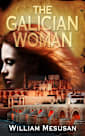
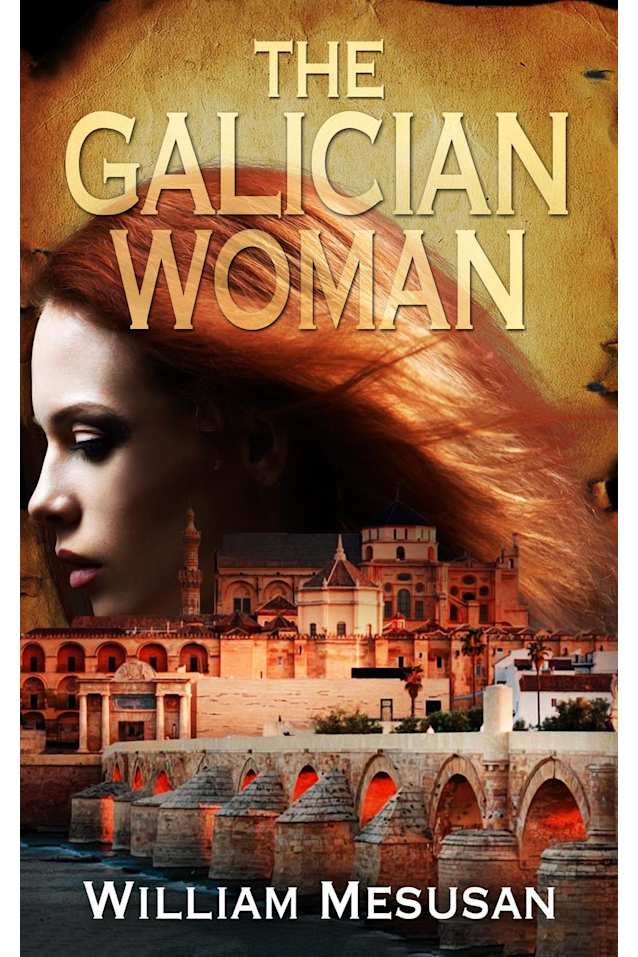
I’ll begin with The Galician Woman, the first book in the Andalusian Trilogy series. It all started with a sidebar on a literary agent’s website, years ago, titled “Stories We’d Like To See.” One of the suggestions was a Muslim detective in a noir mystery. I filed that away in my memory bank as a possibility for a future novel.
On a trip to northern Spain, our group visited Santiago de Compestela. The timing coincided with a once in every sixteen years event where devout Catholics are allowed into the Cathedral to view and touch the glass case housing the relic remains of Saint James the Apostle. A long line of the faithful waited outside for their opportunity to enter the church.
Later, at a seaside café along Galicia’s Atlantic coast, I saw a young waitress moving through the crowd. She was quite attractive with her fair skin, long and flowing red hair, and sparkling green eyes. The church relics and the young woman touched a chord within me.
When I returned to the United States, I immediately began to research Islamic Spain. I still had the Muslim detective novel in my sights. I learned from a source, long forgotten, that there were three main periods: (1) the invasion by Arab led Berber armies in 711 CE and the establishment of the Umayyad family of emir rulers which lasted until 929 CE; (2) the Umayyad Caliphate of Abd al-Rahman III which last until the end of the century; and, the Kingdom of Granada which was the last Muslim citadel to fall in 1492.????
I did more research and discovered María Rosa Menocal’s non-fiction history, The Ornament of the World: How Muslims, Jews, and Christians Created a Culture of Tolerance in Medieval Spain. In the pages of this book I was introduced to the amazing Hasdai ibn Shaprut and was surprised to learn that a Jew was one of the most powerful men in an Islamic Caliphate. Among his many roles, he served as Foreign Minister and personal physician to Caliph Abd al-Rahman III.
This sparked my imagination and the Muslim detective morphed into a reluctant amateur sleuth, poet-translator Solomon Levy, pressed into assignments by his cousin, the politically savvy Hasdai Shaprut. The image of the young woman in Galicia resurfaced and the vague outlines of a story began to emerge.
I find it distressing that a modern form of cultural amnesia has created such animosity between Muslims and Jews, and to a lesser extent Catholics and other Christian denominations. Life in the 10th century Umayyad Caliphate wasn’t a perfect world. It never is when one culture dominates over others (as I point out in my novels), but there was a degree of harmony, based upon religious tolerance and enlightened self-interest, that we don’t find in today’s world with its rigid mind-sets and lack of historical knowledge.
I wrote The Andalusian Trilogy to share with readers a burning question. If Muslims, Jews, and Christians could co-exist peacefully and thrive one thousand years ago, why can’t we overcome our prejudices and do the same today? Only with no one culture dominating others.
It’s no accident that the "Golden Age of the Jews," referring to the flourishing of Jewish culture, philosophy, and science in Islamic Spain (Andalusia) from the 10th to 12th centuries under the Umayyad Caliphate coincides with the Islamic Golden Age, a period of scientific, economic, and cultural flourishing dated from the 8th century to the 13th.
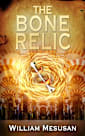
While researching The Galician Woman, I discovered that the arm bone of the Prophet Muhammad was a sacred relic brought to the Great Mosque of Cordoba by the Syrian Ummayads during their exile from Damascus. What if this holy relic were stolen and Solomon Levy was pressed into service to find and return The Bone Relic before its annual display to the multitudes. This was the premise for the second book in the trilogy.
I read Shanna H. Swan’s non-fiction book, Countdown, before moving on to the third story in the trilogy. I found her thesis that infertility is imperiling the future of the human race, and the supporting evidence she offers, eye-opening! I combined this premise with the projected results of catastrophic climate change (many of which are sadly coming to pass) to write a dystopian novel, The Sperm King (the title, as it turns out, is tongue-in-cheek).
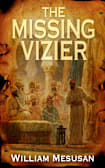
I returned to The Andalusian Trilogy. Having researched a prequel to the series, I contemplated offering The Lost Manuscript as the third book. When I shared my idea with my longtime editor and friend, Visnja Murgic, she told me that as a reader she would feel cheated if the third book in a trilogy was a prequel. I realized if she felt this way, many readers might feel the same. But, I needed a new story! It came my way during a research session when I discovered how the deposed king, Sancho the Fat, was cured of his obesity by Hasdai Shaprut in the first recorded treatment of obesity in history. This little known historical fact led to the creation of The Missing Vizier.
I find it interesting and challenging crafting stories that combine actual historical personages (fictionalized) with my imaginary characters. Now, I find myself working on the first draft of the prequel which I hope to publish sometime in 2026. Stay tuned . . .
Author Biography
Rather than offer a traditional biography (which can be found in the back matter of all of my novels) I would like to share the story behind the stories, which is biographical in its own way.
I’ll begin with The Galician Woman, the first book in the Andalusian Trilogy series. It all started with a sidebar on a literary agent’s website, years ago, titled “Stories We’d Like To See.” One of the suggestions was a Muslim detective in...
Books
View All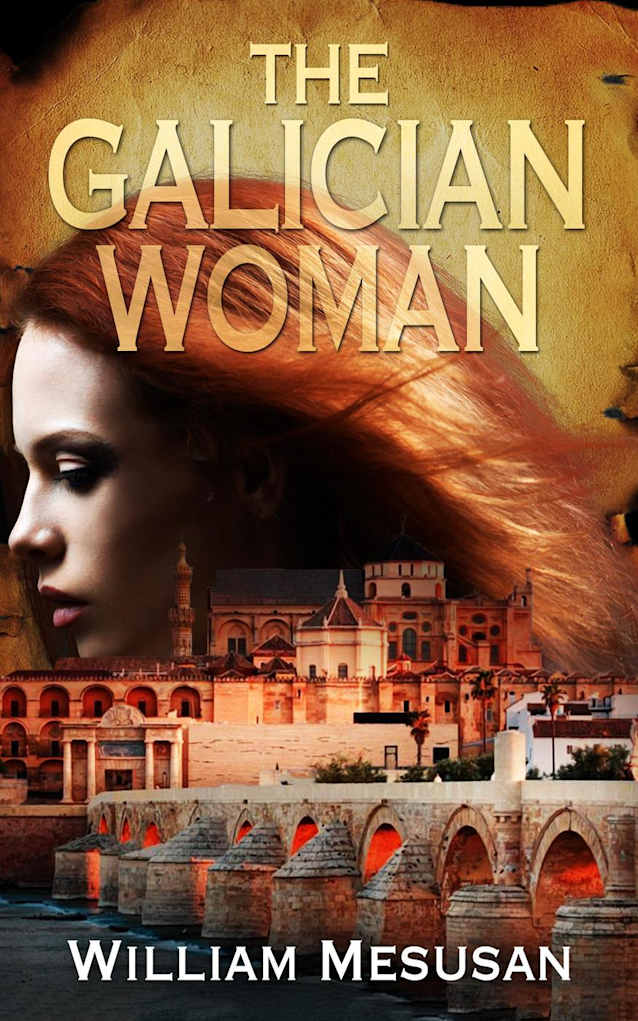
The Galician Woman (The Andalusian Trilogy, #1)
Translator Solomon Levy’s deepest desire is to write poetry fulltime. He’s forced to put his dreams on hold when the unexpected murder of the Caliph’s nephew, Umar abd-Rahman, threatens the future of Andalusia and the Umayyad Caliphate.
Solomon’s cousin Hasdai Shaprut, Foreign Minister and personal physician to the Caliph, presses him into...
Read more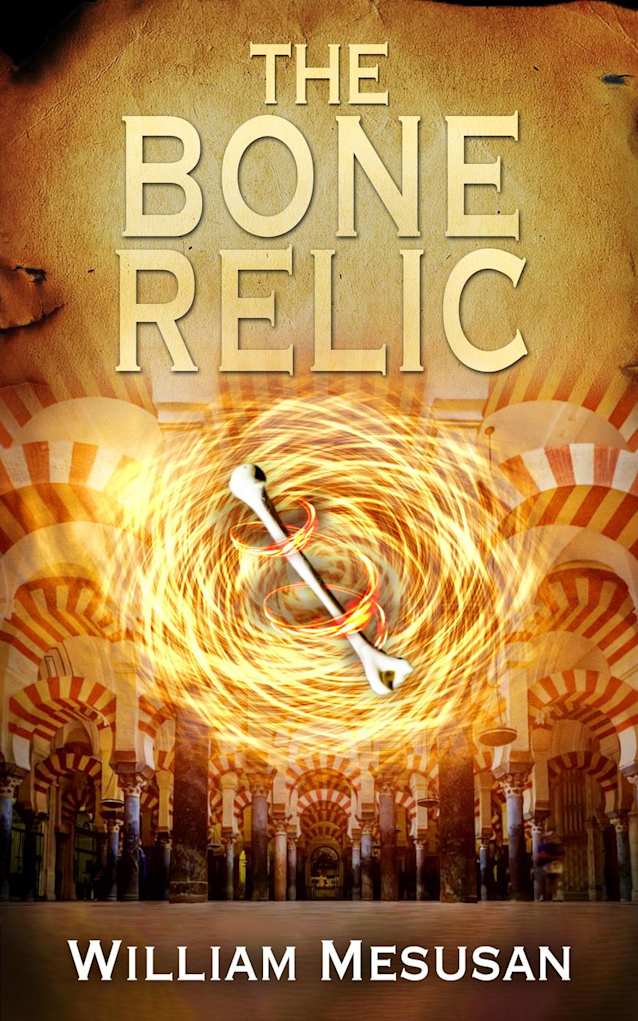
The Bone Relic (The Andalusian Trilogy, #2)
THE BONE RELIC
The arm bone of the prophet Muhammad is stolen from the Great Mosque of Cordoba. Solomon Levy, an amateur sleuth renowned for finding missing objects and persons, is asked to recover the relics and return them to their former resting place in the treasury of the mosque. Foreign Minister Shaprut possesses two important clues. As a...
Read more
The Missing Vizier (The Andalusian Trilogy Book 3)
Hasdai Shaprut, esteemed counselor and Grand Vizier of the Umayyad Caliphate, has vanished. The disappearance the Kingdom of Córdoba’s highest ranking Jew, who also serves as Foreign Minister, threatens the future of 10th century Europe’s most enlightened culture.
Caliph Abd- al-Rahman III enlists the help of investigator Solomon Levy who must...